To avoid inheritance tax in the future, many Belgians choose to purchase Spanish property in their children's names. While this is fiscally beneficial for inheritance planning, it can have a significant financial impact on the purchase of their first own home in Flanders. Specifically, children lose the right to the reduced sales tax (2%) if they already have 100% full ownership of a property abroad.
The impact of Spanish real estate on Flemish sales law
When you put a second residence in Spain entirely in your children's name, they are considered owners of a property. Under Flemish regulations, the right to the reduced rate of registration duties (the right of sale) is strictly reserved for buyers who are no other house or building land in full ownership own, whether located in Belgium or abroad.
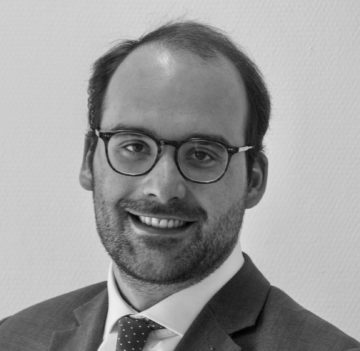
"We often see parents wanting to help their children by gifting property in Spain or buying it in their name, but unintentionally blocking access to the 'only own home' discount in Flanders. This can make the purchase of a first family home thousands of euros more expensive," said Glenn Janssens, expert on Spanish property transactions.
Case study: The hidden costs of succession planning
Suppose your children are still studying or renting and you buy a flat in Marbella entirely in their name. A few years later, they want to buy a €300,000 family home in Flanders.
- Without Spanish real estate: They will pay 3% selling rights (€9,000).
- With Spanish property (full ownership): They pay the standard rate of 12% (€36,000).
- The result: An additional cost of €27.000 by the earlier schedule.
Conditions for the reduced rate in Flanders
To qualify for the favourable rates when buying a family home, the Flemish tax authorities set three hard conditions:
- Principal residence: The buyer must register in the population register at the address of the new property within three years of the deed.
- No other properties: The buyer may not, on the date of the authentic deed, for the wholeness full owner Be from another house or building plot.
- Territoriality: This condition applies worldwide. So a villa in Spain counts as heavily as a flat in Ghent.
Strategic alternatives: Split purchase and co-ownership
There is no need to put your inheritance planning completely on hold. There are legal constructions that reduce the inheritance tax without mortgaging the right to the reduced Flemish right of sale.
1. The split purchase (Usufruct vs. Bare ownership)
At a split purchase the parents buy the usufruct and the children the bare ownership. Since the children have no full owner, in current practice they retain their right to the reduced rate for their own home in Flanders. On the death of the parents, the usufruct extinguishes and the children automatically become full owners without additional inheritance tax.
2. Co-ownership
If a child owns only part (say 50%) of the Spanish property, he or she still meets the Flemish condition (which talks about the wholeness of full ownership). This allows for customised planning.
Read more about succession planning when buying a second residence.
Frequently asked questions (FAQ)
Can I own a house in Spain and still pay 2% registration duty in Belgium? No, if you own full ownership of a property in Spain, you lose the right to the 2% (the reduced sales tax rate for sole owner-occupied property) in Flanders. You will then fall back to the standard rate of 12%.
Does a holiday home in Spain count towards the family home rule in Flanders? Yes. The Flemish Tax Office (Vlabel) looks at your worldwide property ownership. A property in Spain is assessed in the same way as a property in Belgium.
Is a split purchase in Spain safe from the Flemish tax authorities? Yes, provided the construction is set up correctly and the financing of the bare ownership by the children (e.g. via a prior bank donation) is provable. It prevents children from being considered "full owners" on their first purchase in Belgium.
About the author: Glenn Janssens is a lawyer specialising in Spanish real estate transactions and tax regulations. Since 2017, he has been helping Belgian and Dutch individuals and entrepreneurs to safely purchase and structure real estate in Spain. He guides files from A to Z: from due diligence, ownership and tax control to estate planning and optimisation for residents and non-residents. Thanks to his years of experience, hundreds of handled files and focus on transparent communication, Glenn makes complex Spanish legislation understandable and practically applicable for every property buyer.